UPI Charges from October 15: Will You Pay Extra? (2026)
Table of Contents
Quick Answer
UPI charges from October 15 do NOT mean you pay extra. From 15 October 2026, NPCI plans a 0.4% merchant discount rate (MDR) on specified person-to-merchant UPI payments above ₹2,000 — paid by the merchant, not you. Person-to-person transfers stay free at any amount, and merchant payments up to ₹2,000 stay free. Timing update (12 October 2026): the rollout is going ahead on 15 October. Merchant bodies had asked NPCI to delay it to January 2027, but no delay was announced — the 15 October date stands, and the Supreme Court refused an interim stay against the framework. This article covers the confirmed framework.
What Is Changing (The Announced Framework)
NPCI and the Department of Financial Services published FAQs on 15 September 2026 laying out the MDR framework for UPI. Here is what it says:
| Transaction type | Charge |
|---|---|
| P2P (person to person), any amount | Free |
| P2M (paying a merchant) up to ₹2,000 | Free |
| P2M above ₹2,000 (specified categories) | 0.4% MDR, paid by merchant |
| P2M of ₹75,000 or more | ₹300 cap (0.4% of ₹75,000) |
| Essential sectors above ₹2,000 (railways, telecom, insurance, fuel, agricultural inputs, utility bills) | ₹5 flat per transaction |
| Capital markets (mutual funds, securities, brokers) | 0.02%, capped at ₹300 |
| Small QR merchants earning under ₹1 lakh/month via UPI | Exempt |
Two facts matter most:
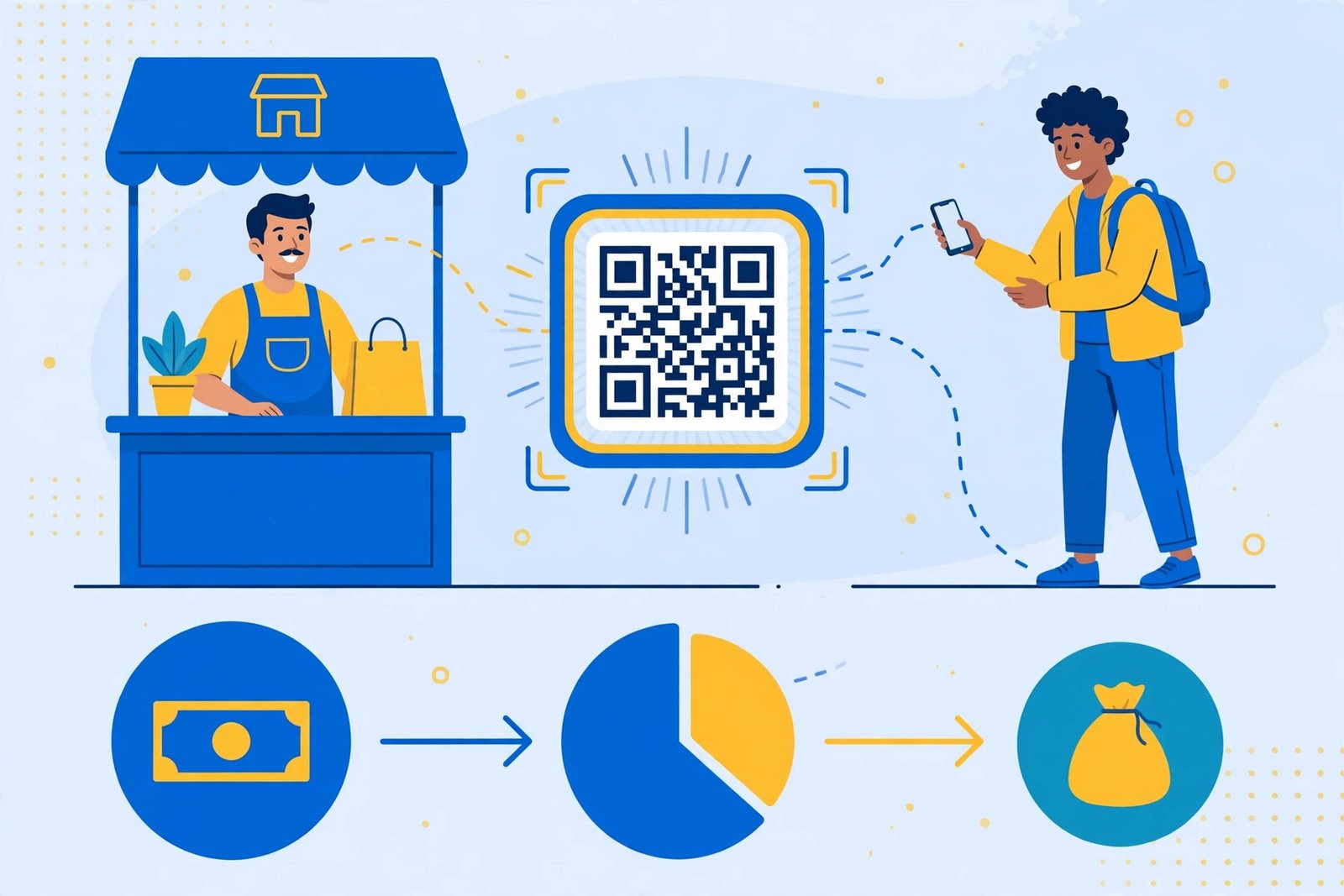
- Customers pay nothing extra. The MDR comes out of the merchant’s side. The Finance Ministry has advised banks to ensure merchants cannot pass the charge on to you, and NPCI says UPI apps cannot add a platform fee on top.
- Over 95% of person-to-merchant UPI volume is unaffected — because the vast majority of UPI payments are under ₹2,000.
Worked Examples: UPI Charges from October 15 — What the Merchant Pays
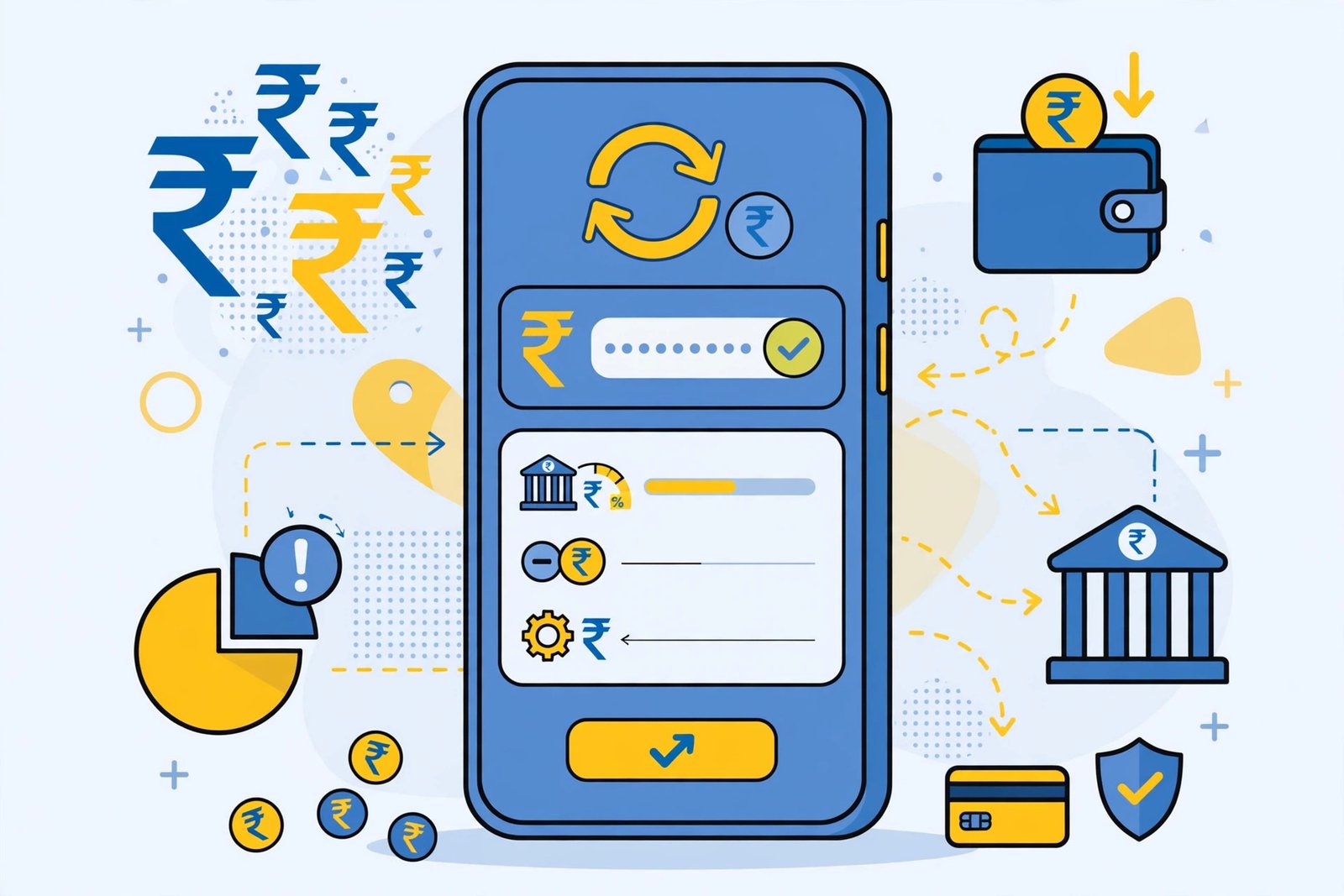
To make it concrete — remember, in every case the merchant pays, not you:
- ₹3,000 payment: 0.4% = ₹12 (merchant’s cost)
- ₹10,000 payment: 0.4% = ₹40 (merchant’s cost)
- ₹75,000 payment: 0.4% hits the ₹300 cap
- ₹2,000 electricity bill: essential sector → ₹5 flat
- ₹1,500 grocery payment: under ₹2,000 → free
Your UPI app will show the same amount you always paid. Nothing is added at checkout.
Was the Rollout Ever in Doubt? (The January 2027 Delay Request)
In early October, merchant bodies and fintech firms asked NPCI to push the MDR rollout to January 2027, arguing merchants needed more preparation time. NPCI discussed the request with the Finance Ministry but announced no delay — and with the Supreme Court declining an interim stay, the framework takes effect on 15 October 2026 as originally announced.
What this means for you: nothing changes in how you pay. The framework described above starts on schedule.
Separately, the steering committee is also considering exempting businesses with annual turnover up to ₹40 lakh from MDR — a much broader exemption than the current under-₹1-lakh-a-month rule for small QR merchants. This is a proposal under discussion, not a decision (reported by Business Standard via Inc42, 9 October 2026).
Why Is MDR Being Introduced at All?
UPI has been free for merchants since launch, with the government subsidising the system’s costs. The official reasoning:
- Payment infrastructure has real costs — the MDR lets banks and payment companies recover them on large merchant transactions.
- The design protects small merchants (under ₹1 lakh/month exempt) and ordinary users (under ₹2,000 free, P2P always free).
- RBI Governor Sanjay Malhotra said on 7 October 2026 that the MDR is unlikely to hurt UPI volumes.
- The Supreme Court refused an interim stay against the move, and the legal basis is the Taxation and Other Laws (Amendment) Bill, 2026.
What Should You Actually Do?
Honestly: nothing different. But a few smart habits for the UPI era:
- Keep small payments on UPI — under ₹2,000 stays free no matter what.
- P2P transfers stay free — splitting bills with friends costs nothing at any amount.
- Watch for “convenience fees” — merchants are not supposed to pass MDR to you. If a shop adds a surcharge for UPI, that is worth questioning.
- Keep your UPI apps updated — set Play Store auto-updates to Wi-Fi only so updates do not eat your data.
If you are trying to cut mobile expenses overall, our best free recharge apps in India covers legitimate ways to earn recharges, and our mobile balance check guide keeps all operator USSD codes in one place.
Frequently Asked Questions
Will I pay extra for UPI payments from October 15?
No. The MDR is paid by the merchant, not the customer. Your checkout amount does not change, and UPI apps cannot add a platform fee.
Are UPI payments below ₹2,000 affected?
No. Person-to-merchant payments up to ₹2,000 remain completely free.
Is sending money to friends free?
Yes. Person-to-person (P2P) UPI transfers are free regardless of amount.
What is the maximum MDR on a single transaction?
₹300 — the 0.4% rate caps out at ₹300 for transactions of ₹75,000 or more.
Will small shopkeepers have to pay?
Small QR merchants earning under ₹1 lakh per month through UPI are exempt.
Has the October 15 rollout been delayed?
No. A delay to January 2027 was requested by merchant bodies in early October, but NPCI announced no postponement and the Supreme Court declined an interim stay. The framework takes effect on 15 October 2026.
Do I need to change how I use UPI?
No. Keep paying as normal — the framework is designed so over 95% of everyday UPI payments see zero change.
Final Words
UPI charges from October 15 are a merchant-side change, not a customer tax: 0.4% above ₹2,000 (capped at ₹300), essentials at a ₹5 flat rate, and everything under ₹2,000 plus all P2P transfers free. Timing is settled — the framework takes effect on 15 October 2026. Whatever is decided, your UPI payments stay free at checkout, and this guide will stay updated if anything changes.