
How to Choose Between Renting and Buying a Home
Introduction: The Great Housing Dilemma
Deciding between renting and buying a home is arguably one of the biggest life decisions you will ever make. It is not just about where you lay your head at night; it is a choice that defines your financial future, your lifestyle, and your peace of mind. Think of it like choosing between leasing a car or buying one outright. Both get you to your destination, but the maintenance, the costs, and the level of freedom look very different.
Assessing Your Financial Health
Before you even look at a single listing, you need to look at your bank account. Buying a home is not just about the monthly mortgage payment. You have to consider the down payment, closing costs, taxes, and insurance. If your financial house is not in order, you are building your actual house on sand.
The Allure of Homeownership
There is a special feeling that comes with owning property. It is the ability to paint your walls neon green if you want or renovate your kitchen without asking for permission. Plus, over time, you are building equity. Instead of paying off your landlord’s mortgage, you are paying off your own.
The Flexibility of Renting
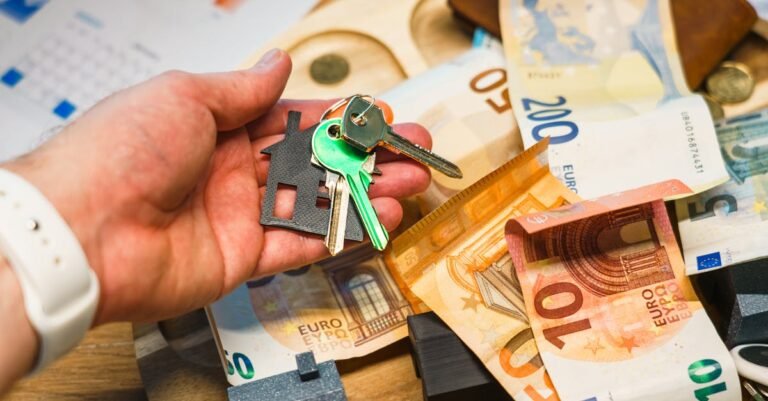
Renting is freedom in its purest form. If you get a job offer across the country or decide you hate your neighbors, you are not tethered to a piece of real estate. You sign a lease, and if you move, you just hand back the keys. It is the ultimate low commitment lifestyle.
Understanding Market Conditions
Sometimes, the market makes the decision for you. If interest rates are soaring and home prices are inflated, buying might feel like throwing money into a fire. If rents are sky high, owning might actually be cheaper per month. Always look at the historical trends in your specific city.
How Location Dictates Your Decision
In high density urban areas, buying is often a massive mountain to climb. In smaller towns, you might find that buying a house costs less than renting a two bedroom apartment. Your geographic location is the biggest variable in the equation.
Lifestyle: The Often Overlooked Factor
Are you the type who likes to tinker with home projects? Or do you get stressed out when a lightbulb blows out? Homeownership requires a mindset of stewardship. If you want to spend your weekends traveling instead of mowing a lawn, renting is likely your better path.
The Hidden Costs of Buying a Home
When you own, you are the CFO of your home. If the water heater breaks, it is on you. If the roof leaks, that is your problem. These costs are unpredictable and can wipe out your savings in a heartbeat. Never forget to factor in these maintenance reserves when planning your budget.
The Hidden Costs of Renting
Renters often think they are safe from maintenance costs, but they pay in other ways. Your rent will inevitably rise, often keeping pace with or exceeding inflation. Plus, you never gain equity, and you are subject to the landlord deciding to sell the building or stop renewing leases.
Is a Home Really an Investment?
People love to say that buying a house is the best investment. Is it though? Once you account for property taxes, interest, maintenance, and insurance, the real appreciation of a home is often lower than what you might get by investing that same money in a diversified stock portfolio. View your home primarily as a place to live, not just a get rich quick scheme.
The Maintenance Burden: Who Fixes the Faucet?
Think about your skill set. Are you handy? Can you handle basic plumbing? If not, factor in the cost of hiring contractors. Homeownership is a job. Renting is a service you pay someone else to handle.
Time Horizons: Where Do You See Yourself?
If you plan on staying in one city for less than five years, buying often does not make sense. Between real estate agent fees and closing costs, you could end up losing money upon selling. Buying is a game of patience and long term roots.
The Psychological Shift: Landlord vs. Owner
There is a sense of pride in ownership that rent can never replicate. However, there is also a sense of anxiety that comes with owning a large asset. The psychological benefit of feeling at home is huge, but it must be balanced against the stress of responsibility.
Using the Rent vs. Buy Calculator
Do not guess with your money. Use online calculators to input your local tax rates, potential interest rates, and expected maintenance costs. It will give you a clear, cold look at the math behind your decision.
Final Thoughts: Making the Leap
There is no right answer, only the right answer for you. If you value stability and want to create a space that is truly yours, buy. If you value mobility and want to keep your financial life simple, rent. Listen to your gut, check your math, and remember that you can always change your mind later.
Frequently Asked Questions
1. Is it always better to buy than rent? Absolutely not. It depends entirely on your financial situation, your local housing market, and your long term plans.
2. How much should I save before buying a home? Aim for at least 20 percent of the home price for a down payment to avoid private mortgage insurance, plus an additional 3 to 6 months of living expenses for emergencies.
3. Does renting ever make more financial sense than buying? Yes. Renting allows you to invest the difference in costs into other assets like stocks or retirement accounts, which can sometimes outperform real estate.
4. What is the biggest mistake first time buyers make? Underestimating the cost of maintenance and repairs, and buying a home at the absolute limit of their budget.
5. How long should I plan to stay in a home to justify buying? Most experts suggest a minimum of five to seven years to ensure you have built enough equity to cover the transaction costs of buying and eventually selling.